Understanding the causes of tyre damage in UAE is essential for maintaining vehicle safety, preventing premature tyre wear and reducing unnecessary replacement costs. From extreme summer temperatures and external impact damage to incorrect tyre pressure, tread chipping and poor road conditions, several factors can affect tyre performance and service life.
1. External Impact Damage – Sidewall Bulges and Internal Cracks
One of the most serious forms of tyre damage is external impact damage.
This typically occurs when a tyre strikes a pothole, pavement edge, kerb or other road obstacle.
How Does Impact Damage Occur?
During a strong impact, the tyre sidewall can become compressed between the wheel rim and the obstacle.
This sudden compression may damage the internal reinforcing cords or tyre structure.
As a result, the tyre may develop:
- A visible sidewall bulge or bubble
- Internal liner cracking or splitting
- Broken or weakened reinforcing cords
- Air leakage or loss of inflation pressure
- Vibration caused by structural deformation
Important: A sidewall bulge is a serious warning sign of possible structural failure. The tyre should not be driven on and must be replaced. Internal impact damage may also exist without an obvious external bulge.
How to Prevent Impact Damage
- Reduce speed when approaching potholes and speed bumps.
- Avoid driving over kerbs and sharp road obstacles.
- Maintain the vehicle manufacturer’s recommended tyre pressure.
- Inspect your tyres after a significant road impact.
- Arrange a professional inspection if you notice vibration, swelling or pressure loss.
2. How Incorrect Tyre Pressure Causes Damage
Incorrect inflation pressure is one of the major contributors to premature tyre wear and damage.
Both underinflation and overinflation can negatively affect tyre performance.
Underinflation
When tyre pressure is below the recommended level, the tyre sidewall flexes excessively during driving.
This can generate additional internal heat and increase stress on the tyre’s structure.
Possible consequences include:
- Excessive wear on both tread shoulders
- Increased rolling resistance
- Higher operating temperatures
- Internal structural deterioration
- Increased risk of tyre failure
Overinflation
Excessive tyre pressure may reduce the tyre’s effective contact area with the road and increase its vulnerability to certain road impacts.
Possible consequences include:
- Increased wear in the centre of the tread
- Reduced driving comfort
- Greater susceptibility to impact damage
- Changes in handling and grip
Prevention Tips
Check tyre pressure at least once a month and before long journeys.
Always measure pressure when tyres are cold and follow the recommendations displayed on the vehicle’s tyre information label or owner’s manual.
Do not use the maximum pressure printed on the tyre sidewall as your normal operating pressure.
3. Uneven Tyre Wear Due to Wheel Alignment Problems
Uneven tyre wear is another common issue affecting passenger cars, SUVs and 4×4 vehicles.
When the vehicle’s wheel alignment is incorrect, the tyres may not maintain their intended contact with the road.
Common Signs of Incorrect Alignment
- Excessive wear on the inner shoulder
- Excessive wear on the outer shoulder
- Feathered or irregular tread wear
- Vehicle pulling toward one side
- Steering wheel not centred while driving straight
What Causes Wheel Alignment Problems?
Possible causes include:
- Hitting potholes or kerbs
- Worn suspension components
- Incorrect alignment settings
- Previous impacts or mechanical repairs
How to Prevent Uneven Wear
Have your wheel alignment checked if you notice unusual tyre wear, changes in steering behaviour or after a significant road impact.
A professional inspection should also examine the suspension and steering components.
Expert Tip: Replacing worn tyres without correcting the underlying alignment problem may result in premature wear of the new tyres.
4. Heat-Related Tyre Damage in the UAE
The UAE’s climate places additional demands on vehicle tyres, especially during summer.
High ambient temperatures, prolonged highway driving, overloading and incorrect inflation pressure can contribute to increased tyre operating temperatures.
Excessive internal heat can accelerate tyre deterioration and weaken structural components.
Warning Signs
- Unusual rubber cracking
- Persistent pressure loss
- Visible tyre deformation
- Abnormal vibration
- Signs of excessive tread or sidewall deterioration
Heat-related damage cannot always be identified through appearance alone.
Prevention Tips
- Maintain the recommended cold tyre pressure.
- Avoid overloading your vehicle.
- Inspect tyres before long highway journeys.
- Replace damaged or excessively worn tyres promptly.
- Avoid sustained driving on underinflated tyres.
- Follow the vehicle manufacturer’s load and speed recommendations.
5. Tyre Cuts and Punctures
Sharp objects such as nails, screws, metal fragments and road debris can penetrate the tyre tread.
Some punctures cause immediate air loss, while others result in gradual pressure leakage.
Can a Punctured Tyre Be Repaired?
Repairability depends on several factors, including:
- The location of the puncture
- The size and nature of the damage
- Whether the tyre was driven while underinflated
- The condition of the internal structure
- The tyre manufacturer’s repair requirements
A small puncture within the permitted tread repair area may be repairable after professional internal inspection.
However, sidewall damage, structural damage or certain shoulder-area injuries generally require tyre replacement.
How to Prevent Puncture Damage
- Avoid driving over visible road debris.
- Inspect tyres regularly for embedded objects.
- Investigate repeated pressure loss.
- Do not continue driving on a severely underinflated tyre.
- Have punctures assessed by qualified tyre technicians.
6. Tyre Damage Caused by Vehicle Overloading
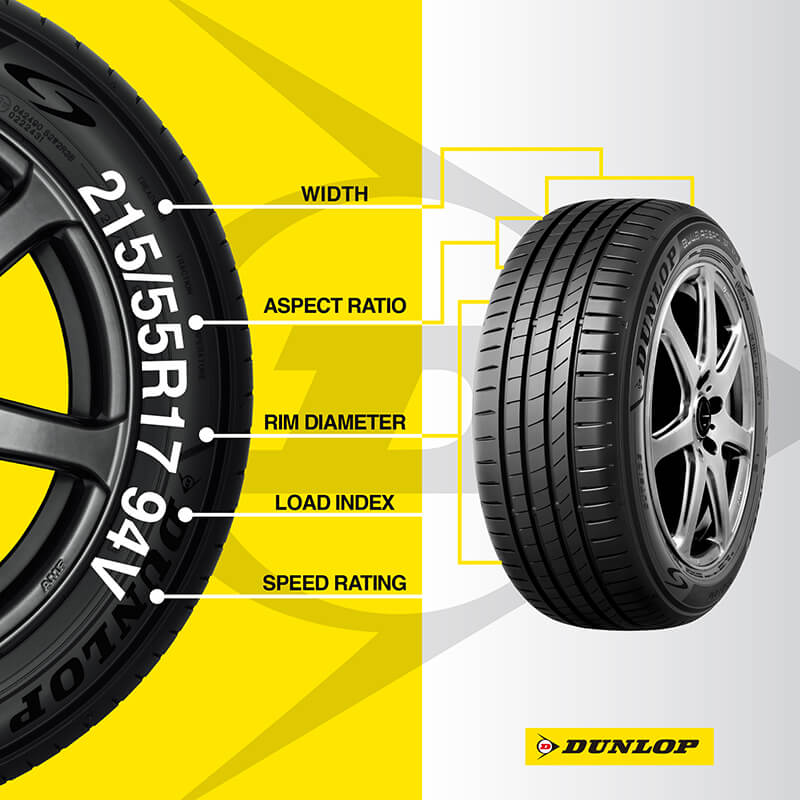
Every tyre has a specified load-carrying capacity represented by its load index.
Exceeding the vehicle’s permitted loading limits can place excessive stress on the tyres.
Overloading may lead to:
- Increased tyre deformation
- Excessive heat generation
- Accelerated tread wear
- Increased stress on sidewall components
- Reduced handling and braking performance
Prevention Tips
Always follow your vehicle manufacturer’s maximum permitted load and tyre inflation recommendations.
For commercial vehicles and SUVs carrying heavy loads, selecting tyres with the appropriate load index is particularly important.
7. Tyre Ageing and Sidewall Cracking
Tyres naturally age over time, even when they have not travelled a significant distance.
Exposure to heat, sunlight, oxygen and environmental conditions can contribute to rubber deterioration.
Signs of Tyre Ageing
- Cracks along the sidewall
- Cracking between tread grooves
- Changes in rubber appearance
- Loss of flexibility
- Other visible deterioration
Not every superficial mark indicates structural failure, but significant cracking requires professional assessment.
Prevention Tips
- Check the tyre manufacturing date.
- Inspect tyres regularly for visible deterioration.
- Avoid prolonged exposure to unnecessary environmental stress where practical.
- Replace tyres when their condition or applicable age limits require it.
8. Tyre Vibration and Internal Structural Damage
Vehicle vibration should never be ignored.
Although vibration can be caused by wheel imbalance, it may also indicate:
- Tyre structural deformation
- Impact damage
- Irregular tread wear
- Bent wheel rims
- Suspension or steering problems
Why Is Professional Inspection Important?
Some internal tyre defects cannot be identified through an external visual inspection.
In certain cases, the tyre must be removed from the wheel so the inner liner and reinforcing structure can be examined.
If vibration begins suddenly or becomes severe, stop in a safe location and arrange professional assistance.
9. Tyre Tread Chipping – Causes and Prevention
Tyre tread chipping is a form of tyre damage in which small pieces of rubber break away from the tread surface or tread blocks.
This condition is more commonly associated with vehicles operating on rough, abrasive or unpaved roads, where the tread is exposed to repeated mechanical stress.
Tread chipping can affect tyre performance, accelerate tread deterioration and reduce the tyre’s service life.
Possible Causes of Tyre Tread Chipping
1. Misapplication of Tyre
Using a tyre that is not designed for the vehicle’s operating conditions can contribute to tread chipping.
For example, a highway-oriented tyre used frequently on rough gravel roads, rocky terrain or demanding off-road surfaces may experience accelerated tread damage.
Selecting the correct tyre pattern according to the vehicle’s application is essential.
2. Road Surface Condition and Quality
Poorly maintained roads, uneven surfaces, potholes and sharp road obstacles can place excessive stress on the tyre tread.
Repeated contact with these surfaces may cause small sections of rubber to tear away.
3. Road Surface Material
The composition of the road surface can significantly influence tyre wear.
Sharp gravel, crushed stones, rocky surfaces and abrasive aggregates may cut or tear the tread rubber, particularly during repeated acceleration, braking and cornering.
4. Excessive Heat
High operating temperatures can contribute to rubber deterioration and may increase susceptibility to tread damage, particularly when combined with rough road surfaces, excessive loads or incorrect inflation pressure.
5. Aggressive Driving Style
Frequent hard acceleration, sudden braking, sharp cornering and excessive speed on rough surfaces can generate high forces on the tread blocks.
These forces may contribute to rubber tearing and chipping.
How to Prevent Tyre Tread Chipping
- Choose the correct tyre application: Select highway, all-terrain or other suitable tyres according to actual driving conditions.
- Consider road conditions: Reduce speed when driving on gravel, rocky or damaged roads.
- Maintain correct tyre pressure: Follow the vehicle manufacturer’s recommendations, accounting for approved operating conditions.
- Avoid aggressive driving: Minimize sudden acceleration, hard braking and sharp cornering on rough surfaces.
- Monitor tyre temperatures and loads: Avoid overloading and prolonged operation under excessive heat stress.
- Inspect tread condition regularly: Check for missing rubber pieces, cuts and irregular wear.
Expert Recommendation
Tread chipping does not automatically indicate a manufacturing defect. It can result from a combination of tyre application, road surface conditions, road materials, operating temperature and driving behaviour.
A professional tyre inspection is recommended to assess the severity of the damage, identify possible contributing factors and determine whether the tyre remains suitable for continued service.
10. How to Identify Different Tyre Wear Patterns
Different tread wear patterns may provide clues about possible mechanical or maintenance problems.
| Tyre Wear Pattern | Possible Cause |
|---|---|
| Wear on both shoulders | Underinflation |
| Excessive centre wear | Overinflation |
| Wear on one shoulder | Incorrect wheel alignment |
| Cupping or scalloped wear | Suspension or wheel balance problems |
| Localized flat spots | Sudden wheel lock-up or braking-related wear |
These patterns are diagnostic clues rather than conclusive proof. A professional inspection is needed to identify the actual cause.
11. How to Prevent Tyre Damage in the UAE
To help extend tyre service life and reduce the risk of premature damage, follow these recommendations:
- Check tyre pressure monthly and before long journeys.
- Inspect the sidewalls and tread for cuts, bulges and cracks.
- Check tread depth regularly.
- Avoid driving over potholes and kerbs at excessive speed.
- Check wheel alignment when uneven wear or steering problems appear.
- Rotate tyres according to the vehicle manufacturer’s recommendations.
- Avoid exceeding the vehicle’s load capacity.
- Have unusual vibrations or repeated pressure loss investigated promptly.
Preventive maintenance helps maintain tyre performance and may reduce unnecessary replacement expenses.
12. Professional Dunlop Tyre Services in Abu Dhabi and Al Ain
At Almheiri General Trading, we understand the importance of tyre safety and correct tyre selection.
As an authorized Dunlop tyre distributor serving Abu Dhabi and Al Ain, we provide genuine Dunlop tyres for passenger cars, SUVs and 4×4 vehicles.
Our team can assist customers with tyre selection, replacement and professional installation.
Complimentary Services
Customers purchasing eligible tyres through our service centres benefit from:
- Professional tyre fitting
- Wheel balancing
- Nitrogen filling
- Complimentary tyre rotation every 10,000 km, up to 40,000 km
Our Locations
Abu Dhabi Service Centre
Mussafah Industrial Area, M21, Street 08, Abu Dhabi, UAE.
Al Ain Service Centre
Al Safra Area, Al Ain Industrial, No. 09, Street 04, Al Ain, UAE.
Frequently Asked Questions About Tyre Damage
What causes a bulge on a tyre sidewall?
A tyre sidewall bulge commonly results from internal reinforcing cord damage caused by an external impact, such as hitting a pothole or kerb. A bulging tyre is unsafe and requires replacement.
Can I continue driving with a tyre bulge?
No. A tyre with a sidewall bulge should not be driven on because its structural integrity may be compromised. Arrange safe tyre replacement or roadside assistance.
Why are my tyres wearing on the inside?
Excessive inner-shoulder wear may indicate incorrect wheel alignment or worn suspension components. A professional inspection is recommended.
Can incorrect tyre pressure cause tyre failure?
Yes. Severe or prolonged underinflation can generate excessive heat and damage the tyre’s internal structure, potentially leading to failure.
Does the UAE’s hot weather affect tyre life?
High temperatures can contribute to tyre ageing and increase operating stress, particularly when combined with underinflation, overloading or extended highway driving.
Where can I buy replacement Dunlop tyres in Abu Dhabi?
You can purchase genuine Dunlop tyres from Almheiri General Trading through our online store and arrange installation at our Abu Dhabi or Al Ain service centres.
Conclusion: Prevent Tyre Damage Before It Becomes a Safety Risk
Understanding the common causes of tyre damage in the UAE is essential for maintaining vehicle safety and performance.
From external impact damage and incorrect tyre pressure to wheel alignment problems and excessive heat, many tyre-related issues can be reduced through regular maintenance and timely professional inspections.
If your tyres show signs of damage, abnormal wear or deterioration, do not delay having them inspected.
Need New Dunlop Tyres in Abu Dhabi or Al Ain?
Explore our selection of genuine Dunlop tyres for passenger cars, SUVs and 4×4 vehicles.
Shop online: www.almuhairytrading.com
Choose your preferred installation location at our Mussafah or Al Ain service centre.
Drive with confidence. Choose Dunlop.